You Are a Story Before You're a CV
Most hiring asks who you are on paper. We wanted to ask who you actually are.
When I started looking again last year, I knew exactly two things about what I wanted next.
I knew I wanted to build something. And I knew I'd had enough of explaining my career as a list. My career also consists of recent 40+ high-stakes C-suite international consulting projects in the past decade: not necessarily suited for a digestable 2-page CV format.
That second thing surprised me. I had written a hundred CVs in my life. I'd hired hundreds of people from theirs. I'd never thought of the document as a form of self-erasure. But when I sat down to write my own — for me, for my own use — I noticed I was leaving most of myself out.
The parts that fit a recruiter's eight-second scan made the cut. The parts that explained why I'd stayed, why I'd left, what gave me energy, what bored me to a standstill — those didn't fit anywhere. And those are exactly the parts that actually matter when work is going to fit you, or not.
This isn't a candidate problem. It's a format problem. A format everyone knows is tired — candidates, recruiters, hiring managers. Nobody loves it. We all just kept using it because nothing else was there.
So we set out to build something else.
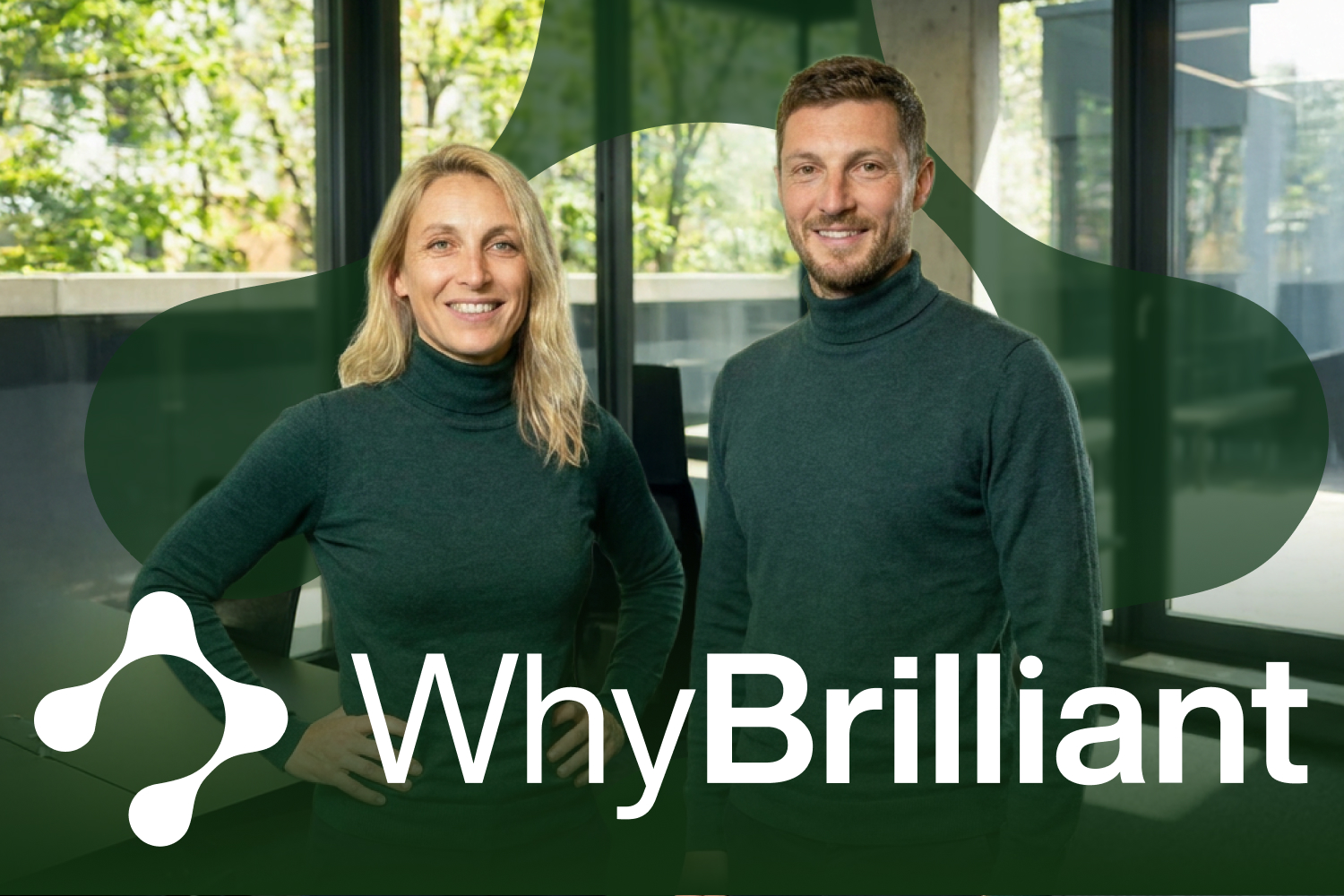
WhyBrilliant is a place where two AI companions hold conversations on either side of a hiring process. Nova listens to the candidate. Twelve to fifteen minutes, by voice, in German or English. Not a form. The person tells Nova what they actually do well, what gives them energy, what they're trying to leave behind. Nova holds space. Nova doesn't grade.
Atlas listens to the company. The same conversation in reverse — what this role is really for, what kind of person fits the team you've built, what success would look like a year in. Not a job description. A real understanding of the role. Something that supports a culture fit, a true assessment of what works, and what does not.
Then we match on substance. On who the person is and what the role actually needs. Not on whether the right keywords show up in the right places.
We believe work is more than an economic transaction. It's how a person expresses who they are. Finding work that fits you — work that lets you feel like yourself on most days — changes everything else in your life. That's a big sentence. We mean it.
We think most people will never find that fit, because the process between them and the right role is a series of compressions. CV, cover letter, recruiter screen, hiring manager filter, panel debrief — each step strips away texture and rewards averageness.
The system gives back something close to what the system was looking for. It doesn't give back the right person, because by the time anyone has the bandwidth to see the person, the person has already been flattened.
Nova and Atlas don't compress. They expand. We are building an alternative system.
Three promises from the WhyBrilliant team.
We listen before we suggest. No company gets a shortlist before we've understood what they're really trying to build. No candidate gets pushed toward roles that don't fit who they are.
We won't ship a shortlist we wouldn't defend. If we don't believe in a match, we say so. Even to a paying customer.
We give people their why back. A Nova conversation belongs to the candidate. Their story, in their words. It's theirs whether we ever match them or not.
And what's next?
Over the next four weeks, I'm going to share what we've learned from a thousand of these conversations. What people say when nobody is grading them. What hiring managers say when they're not pitching a role. What surprised us. What didn't.
You are a story before you're a CV. We listen for the story. Promised.
— Patrick Böert, Co-Founder & CEO
More field notes
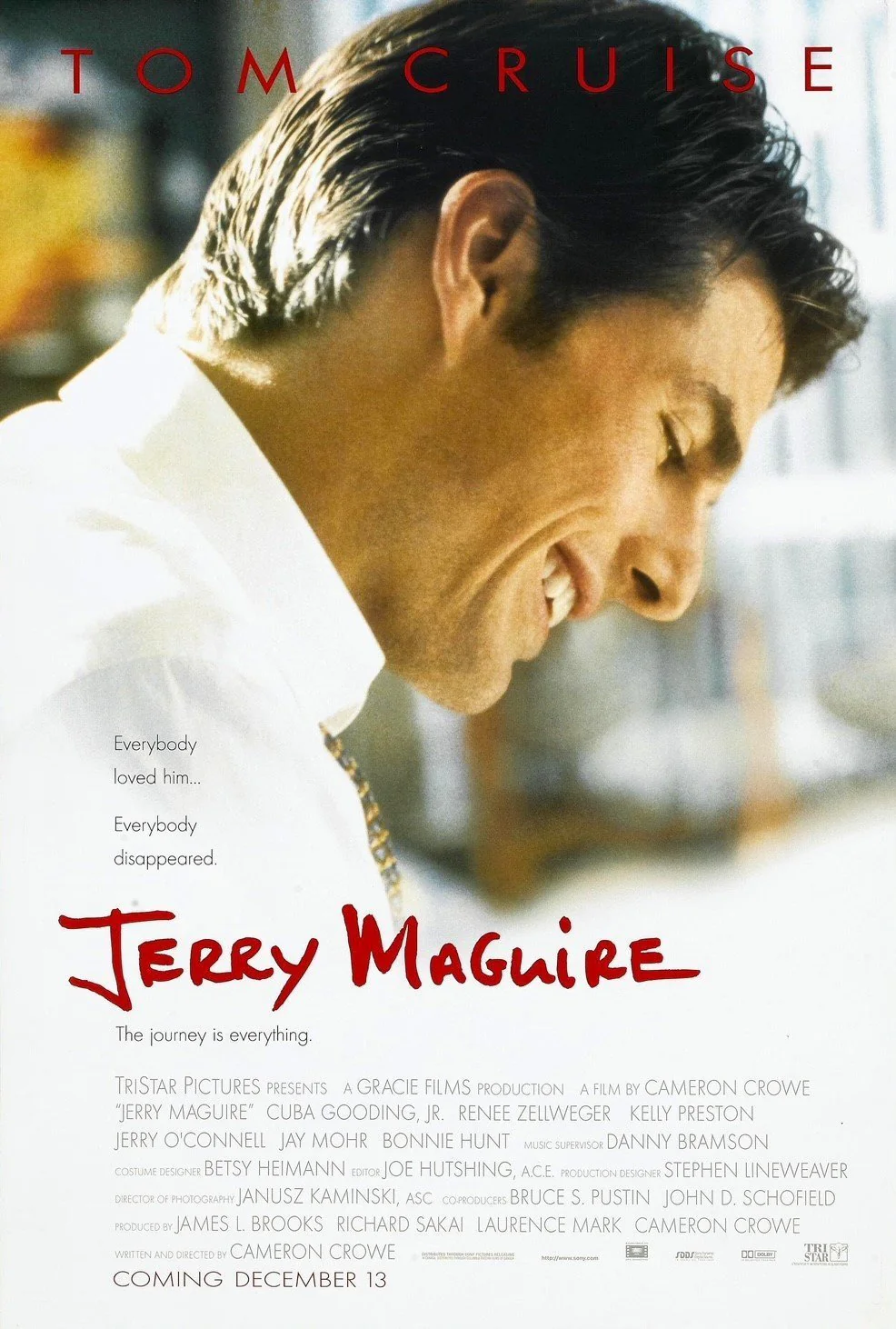
Everyone Deserves a Jerry Maguire
Jerry Maguire didn't match Rod Tidwell to a team. He understood him first. That's what's missing from hiring — and that's what Nova does in ten minutes.
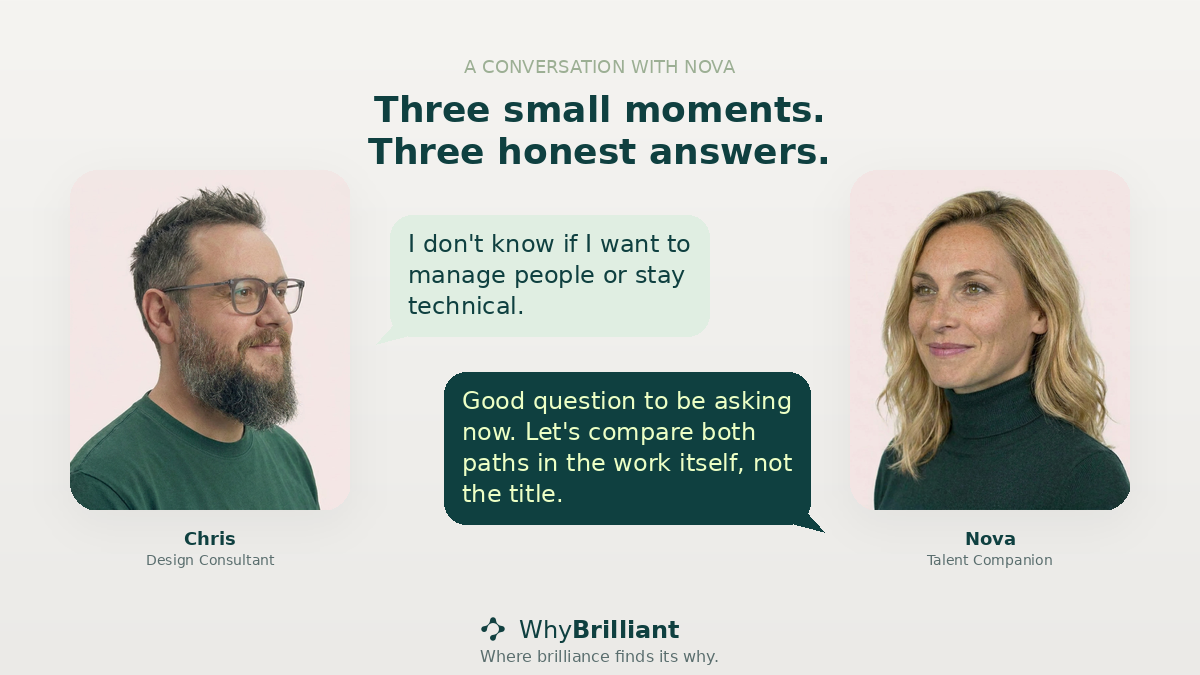
The Strange Honesty of Talking to an AI
People say things to our AI they'd never say to a recruiter. No subtext, no audition, no agenda — just an attentive conversation about what they actually want. When both sides get that, candidates and companies stop settling, and the work starts to mean something again.